
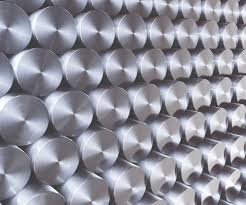
Stainless-steel is often confused with mild steel or carbon steel. While carbon steel is a less flexible alloy of steel, stainless-steel is an alloy of iron and has minimum 10.5% Chromium as a chief component.
The increased resistance to corrosion in stainless-steel is due to the naturally occurring chromium-rich oxide film formed on its surface. Although extremely thin, this inert film is adherent to the metal and is extremely protective in a wide range of corrosive media. The film is rapidly self-repairing, in the presence of oxygen, if damaged by any external force.
Features Of Stainless-Steel
- Superior Aesthetic
- Hygienic Value
- Tough & Durable
- 100% Recyclable & Environment Friendly
- High Resistance to Corrosion
- Designing Flexibility
- Temperature Resistant
- Fire Resistant
- High Strength to Weight Ratio
- Lower Life Cycle Cost
- Low Maintenance
- Choice of colourful coatings & different finishes
Applications Of Stainless Steel
Due to its intrinsic strength, durability and aesthetic quality, all over the World Stainless-Steel Products are increasingly being used in wide range of industries we could not have imagined a few decades ago. It is the fastest growing metal for over two decades now. It is already replacing other alternative materials and is becoming a material of choice for most of the industries due to rust resistance, low maintenance and ability to endure most severe working conditions and hostile environment.
Major Sectors which are using Stainless-Steel are
- Architects, Building & Construction – Stainless-steel provides tremendous design flexibility to construction projects along with impeccable strength, resistance to corrosion, and fire resistance. This makes stainless-steel a practical choice for public and industrial buildings. All over the world, stainless-steels are being used for structural applications – ranging from cutting edge architectural designs to setting up a robust public infrastructure.
- Automotive & Transport – Automotive and Transport sectors are increasingly using stainless-steel to reduce weight, improve aesthetics, enhance safety, and minimize life cycle cost. Since it exhibits superior combination of high strength, ductility, formability, and toughness compared to other metals and alloys, the intrinsic weight of vehicle decreases and its load carrying capacity and fuel efficiency increases.
- Chemicals, Oil & Gas Industries – Stainless-steel pipes and tubes have significant applications in chemical, processing and oil & gas industries. They exhibit superior corrosion resistance, heat resistance and low-temperature properties, and can be used as raw materials that can withstand harsh environments as seen in petroleum, brewery, sugar, refining, and oil & gas industries.
- Consumer Durables – Consumer durables are driven by stringent quality, aesthetics and high durability of products. Stainless-Steel, owing to its excellent corrosion resistance and visually appealing surface finishes, finds extensive applications in this segment.
- Food & Dairy Industries – Materials used for preparation, processing, and storage of beverages, dairy and food products must be corrosion resistant and chemically inert. For these reasons, stainless-steels are widely used in these applications. Moreover, they can be easily cleaned and sterilized without loss of properties, and can be readily fabricated by a variety of techniques.
- Nuclear Applications – Neutron irradiation inside a Nuclear Power Plant can put even the strongest of metals to test. Unlike a lot of other metals, stainless-steel provides greater safety and superior performance when used in structural components of high-pressure water reactors and fast breeder reactors. This is due to its superior strength-to-weight ratio, corrosion resistance, high ductility and durability. But that’s not all, stainless-steel is also the material of choice for reprocessing spent fuel discharge from reactors.
- Plumbing – Stainless-steel pipes are increasingly being used for plumbing around the world because of several benefits offered by the metal; hygiene, resistance to corrosion, and low maintenance being the primary reasons. Stainless-steel is an attractive option when considering the life cycle cost of an installation. It does not require painting and it easily blends with modern interior designs.
- Railways – Stainless-steel is a preferred material for railway applications worldwide on account of its longer life, higher strength-to-weight ratio, aesthetic appearance, and corrosion resistance. Its durability and minimal maintenance and no requirement for external protective painting make it an economical choice. Benefitted by energy-saving, light-weight design, and 100% recyclability at the end of service life, stainless-steel can be qualified as an environmentally friendly material. Bright and contemporary finish of stainless-steel has further strengthened its applicability in railway segment.
- Power Generation Plants – The Stainless-steel has excellent resistance to oxidation and elevated creep resistance and the ability to withstand the high temperature and high-pressure process conditions of a power generation plant, special grade stainless-steel is suitable for application in Boiler Systems, Heat exchangers, Turbines, Dam Gates & Sluice Gates, Super heaters and reheaters.
- Pharmaceuticals – Pharmaceutical industry is governed by strict regulatory norms. In order to comply with the regulations, Stainless-steel is preferred for manufacturing of tanks, pressure vessels, pipe works as well as more intricate parts like orthopaedic implants and hypodermic needles. The ability of Stainless-Steel to interact with corrosive chemicals, high temperature, high pressure and withstand frequent fierce cleaning regimes makes it the material of choice for use in this industry.
- Utensils & Kitchen Equipment – Stainless-steel is considered as one of the best materials for kitchen utensils and equipment due to its strength, durability, ease of fabrication and corrosion resistance. Moreover, it is a non-reactive metal. It means you can cook acidic foods in stainless-steel utensils without affecting the flavour of the food and without damaging the surface of the metal. Ease of Cleanliness is also an important factor for usage of stainless-steel. Usually, wooden or plastic utensils have several openings where bacteria can grow if they are not cleaned properly. Compared to that, stainless-steel has a smooth surface, and it doesn’t have any room for bacteria growth in the utensil.
Stainless Steel Care
Stainless-steel must be cleaned regularly to preserve the metal’s integrity and maintain a pristine appearance. With proper care, stainless-steel can be saved from corrosion. When stainless-steel maintenance is neglected, corrosive substances can accumulate on vulnerable surfaces. The cleaner the stainless-steel is kept, the greater the assurance of optimum corrosion resistance.
Some suggestions on the care of stainless-steel are listed below for reference
- Use paper or other protective wrapping on the surface of stainless steel until processing is complete.
- Handle Stainless-Steel will clean gloves or cloth to guard against stains or finger marks
- Avoid use of oily rags or greasy cloth while wiping the surface
- Clean the exposed surface routinely.
- After cleaning the surface, rinse thoroughly with warm water.
- Avoid cleaning with chemicals such as Chloride cleaners, abrasive cleaners, all-purpose cleaners, chloride bleach etc
- Even the finest cleaning powders can scratch the surface of the stainless-steel. On polished surface, rubbing or wiping should be done in the direction of the polished lines and not across them.
How do you verify your purchase genuinity?
- Always purchase stainless-steel products from genuine supplier.
- On products such as Stainless-Steel Coil, Sheet, Pipes, Angles and Flats, always look for manufacturer’s original marking of Grade to ensure that you have been supplied the right grade.
- Always check the weight of the product to confirm that you have been supplied the right thickness. A difference of 1% in weight can increase your costing by Rs 1.50 per kg in 202 grade, Rs 3 per kg in 304 Grade and by Rs 4.50 per kg in 316 Grade.
- Always insist for Mill Test Certificate from the seller for your purchase.